Last updated:
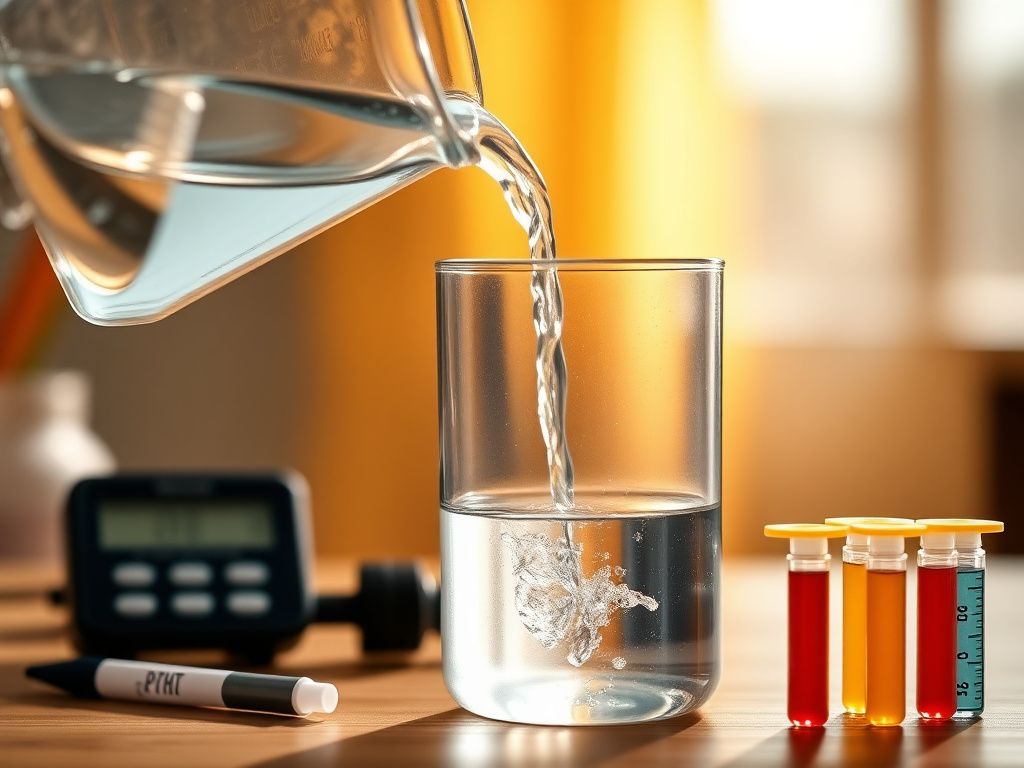
Kerala’s brewing water situation is shaped by one of the highest rainfall regimes in India, the Western Ghats intercept the southwest monsoon and deliver 2,500–4,000 mm of rain annually across much of the state. This abundant rainfall means Kerala’s rivers and reservoirs are fed by rainwater-dominated catchments, producing naturally very soft, low-mineral water that is genuinely excellent as a brewing base. I’ve brewed with Kerala water and the main variable is pH, which drops during intense monsoon rainfall in ways that require tracking across the season.
Kerala water profiles: rainwater-fed river and reservoir sources
KWA (Kerala Water Authority) municipal supply (typical profile): Kerala’s major treatment plants, Aluva (Periyar river), Pattom (Karamana river, Thiruvananthapuram), Kozhikode, Thrissur, and Kollam, draw from Western Ghats rivers that are primarily rainwater-fed. Typical KWA tap values: Calcium (Ca²⁺): 8–25 mg/L; Magnesium (Mg²⁺): 2–8 mg/L; Sodium (Na⁺): 5–15 mg/L; Chloride (Cl⁻): 8–20 mg/L; Sulfate (SO₄²⁻): 3–15 mg/L; Bicarbonate (HCO₃⁻): 20–50 mg/L; Total Dissolved Solids (TDS): 40–110 mg/L; pH: 6.5–7.5. This is extremely soft water, among the softest municipal supplies in India. The bicarbonate is very low (20–50 mg/L), meaning natural buffering capacity is minimal. The low calcium (8–25 mg/L) needs supplementation for mash enzyme health. Compared to Goa’s PWD water (already soft), Kerala water is even softer. Monsoon pH impact on Kerala water: During the southwest monsoon peak (June–August), Kerala’s rivers swell with fresh rainwater runoff. Rainwater is naturally acidic (pH 5.5–6.5 due to dissolved CO₂ and organic acids from vegetation) and very low in mineral content. When monsoon runoff dominates river intake, KWA tap water pH can drop to 6.0–6.5 and TDS falls to 30–60 mg/L. For homebrewing, this pH drop means your strike water is already acidic, mash pH will be lower than expected with monsoon-season tap water, and you may need to reduce or eliminate acid additions that your pre-monsoon recipe specified. Monitoring pH of your tap water seasonally (a cheap pH strip pack or pH meter reading of your supply) prevents overshooting the mash pH target downward during monsoon brewing. Post-monsoon stability: October through May (pre-monsoon dry season), Kerala water stabilizes at its typical soft profile with pH 7.0–7.5. This is the period when brewing water chemistry behaves most predictably, and water treatment additions calculated for the dry season profile can be applied consistently batch to batch. Borewell water in Kerala: Kerala’s high water table and widespread laterite geology mean well water is broadly available. Laterite well water in Kerala shows elevated iron and manganese similar to Goa, iron at 0.5–3 mg/L and manganese at 0.2–1 mg/L are common in untested wells. The same iron filtration precautions described for Goa well water apply here.
Brewing adjustments for Kerala water
Chlorine treatment: KWA chlorinates its supply. One Campden tablet per 20 liters removes chlorine and chloramine before brewing. Kerala’s very soft water means chlorine demand at the treatment plant is also low, residual chlorine tends to be at the lower end compared to high-turbidity-source water cities. For pale ales and IPAs (dry season Kerala water): Starting calcium of 8–25 mg/L is below the 50 mg/L minimum for mash enzyme health. Add calcium chloride at 1.5 g per 5 liters to raise calcium to 75–100 mg/L and chloride to 60–90 mg/L. Add gypsum at 1–1.5 g per 5 liters to push sulfate to 80–150 mg/L for hop character. Mash pH with Kerala water needs light acid treatment, 0.5–1 mL of 85% lactic acid per 10 liters typically brings mash pH from 5.6–5.8 (natural landing with low-bicarbonate water and typical pale malt) to 5.3–5.5. Monsoon season adjustment: During peak monsoon, reduce or eliminate lactic acid additions. Kerala tap pH of 6.0–6.5 during monsoon means the strike water is acidic, a pale malt mash with monsoon-season Kerala tap and calcium chloride additions may already land at 5.3–5.5 without any acid. Test mash pH and adjust acid additions based on actual measurement rather than the dry-season recipe defaults. For lagers and pilsners: Kerala soft water is nearly ideal for Czech and German lager water profiles. Post-monsoon, add minimal calcium chloride (0.5–1 g per 5 liters for 40–60 mg/L Ca), keep gypsum low (0.3 g per 5 liters), and add lactic acid to reach pH 5.2–5.4. The result closely mimics soft Pilsen-style water. For wheat beers and hefeweizens: Kerala’s very soft water with slightly elevated mash pH (allow pH to sit at 5.4–5.6 by reducing acid additions) supports hefeweizen yeast ester and phenol production appropriately. Add calcium chloride for enzyme health, skip gypsum to keep sulfate low, and trust the wheat malt’s natural buffering to set mash pH in range.
Common Questions
Why does my mash pH change between batches in Kerala?
Batch-to-batch mash pH variation in Kerala is almost always traceable to Kerala water’s seasonal pH and TDS swings driven by rainfall. Because the base water has very low buffering capacity (bicarbonate of 20–50 mg/L provides almost no resistance to pH change), small shifts in tap water pH directly translate to mash pH shifts, unlike hard water cities where bicarbonate buffering makes tap water pH relatively stable. The practical fix is measuring your tap water’s pH and TDS before each brew session and adjusting your acid additions accordingly rather than using a fixed recipe addition. A simple pH meter (₹2,000–5,000 for a decent instrument) calibrated with fresh buffer solutions gives you the tap water pH in 30 seconds. During monsoon, if tap pH reads 6.2, skip or halve your acid addition. During dry season at tap pH 7.3, use your full calculated acid addition. This adaptive approach is the correct response to Kerala’s seasonal water variability, trying to use a fixed water treatment recipe across all seasons in Kerala leads to the pH drift you’re observing. Keeping a simple logbook of tap TDS, tap pH, acid addition, and mash pH measured for each batch builds a calibration dataset over a full seasonal cycle that makes prediction reliable.