Last updated:
Heritage grain brewing is one of the most rewarding areas of recipe development I’ve pursued over the past few years. The impulse to find out what beer tasted like before modern barley breeding standardized the malt supply, using landrace barleys, emmer wheat, einkorn, and other ancient grains that were the actual ingredients of historical brewing, produces results that are genuinely different from modern grain-bill brewing in ways that aren’t just nostalgia. The flavor profiles of heritage grains offer complexity that modern high-extract barley was specifically bred away from, and the revival is producing commercially interesting beers alongside the historical research angle.
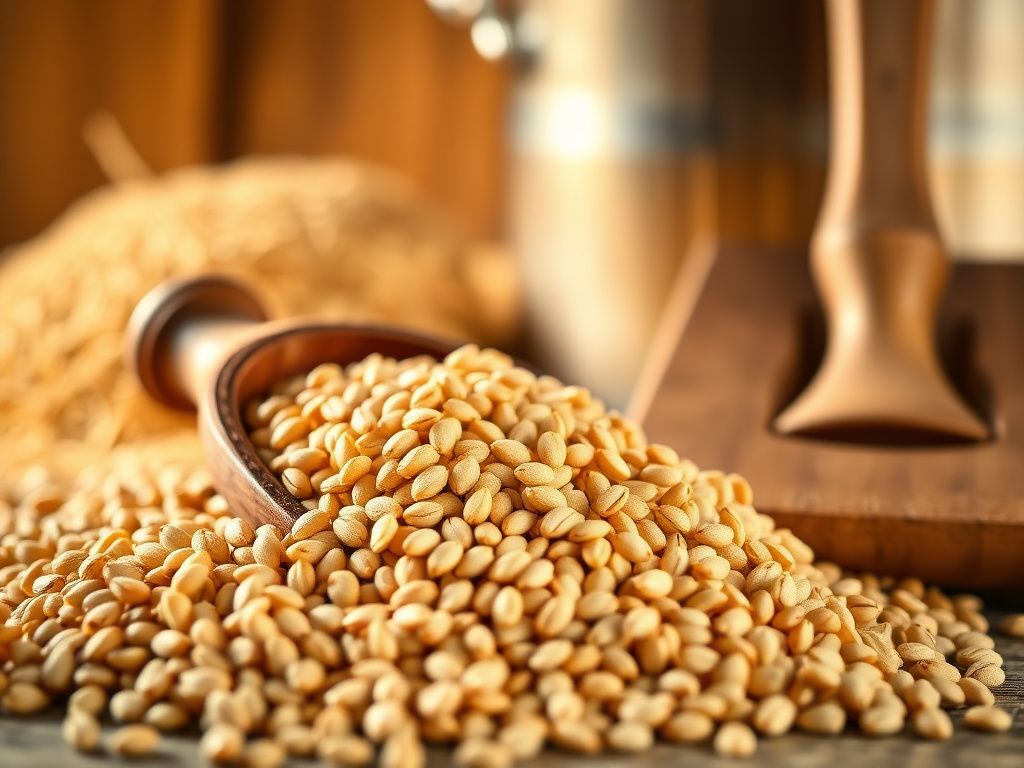
Heritage grains being revived in brewing
Emmer wheat (Triticum dicoccum): One of the first domesticated grain crops, cultivated since 10,000 BCE in the Fertile Crescent. Emmer produces a rich, nutty, slightly spicy character in beer with a fuller body than modern malted wheat. Available as malt from several specialty maltsters (Weyermann’s Emmer Malt, various craft maltsters). Use at 20–40% of the grain bill in wheat beers, saisons, and historical-style ales. Einkorn (Triticum monococcum): The earliest domesticated wheat, with higher protein and fat content than modern wheat. In beer it contributes a distinctive earthy, slightly bitter quality and significant haze from its protein profile. Used at 10–20% in historical recreation beers and experimental grain bills. Landrace barleys: Heritage barley varieties including Bere (Scottish landrace, still grown in Orkney), Chevallier (19th-century English malting barley revived by several UK craft maltsters), and various regional European landraces selected for flavor rather than extract yield. These produce lower extract efficiency than modern barley varieties but more complex flavor, nutty, biscuity, sometimes slightly mineral. Spelt (Triticum spelta): A hulled wheat used in German brewing (Dinkel) and revived in craft brewing for its nutty, slightly sweet character. Widely available as malt; use at 20–30% as a wheat alternative with distinctive character.
Brewing with heritage grains: practical considerations
Heritage grains generally have lower starch modification and higher protein content than modern malting barley, which requires process adjustments. Lower extract efficiency: expect 10–20% lower points-per-pound compared to base malt in some heritage varieties, adjust your grain bill accordingly. Protein rest consideration: high-protein heritage wheats (emmer, einkorn) benefit from a protein rest at 50–55°C before saccharification to reduce haze-active proteins, though some brewers intentionally skip this for hazy historical styles. Lautering: hulled grains (emmer, einkorn) provide their own filter bed; dehulled varieties need rice hulls or additional mash paddings for efficient lautering. Flavor pairing: heritage grain character pairs best with clean or slightly fruity yeast (saison, hefeweizen, Belgian ale strains) and traditional noble or continental hop varieties, the grain complexity competes with heavy American hop additions rather than complementing them.
Common Questions
Do heritage grain beers taste significantly different from modern malt beers?
Yes, and the difference is more pronounced than the “ancient grain” framing might suggest. Modern malting barley has been selected over 150+ years specifically for high starch content, rapid modification, efficient extract yield, and neutral flavor contribution. The flavor neutrality is intentional, modern base malt is designed to be a fermentable substrate that doesn’t compete with hop and yeast character. Heritage grains weren’t selected for flavor neutrality; they were selected for agricultural robustness, and their flavor complexity is a byproduct of that selection history. The practical difference in a side-by-side tasting: a saison made with 40% emmer wheat has more grain character, nutty, slightly earthy, with a persistence of cereal flavor in the finish, than the same recipe with modern malted wheat. The character is more prominent in simple, lightly hopped styles where grain can express itself, and more obscured in hop-forward styles where the grain becomes a background note. Heritage grain beers also tend to be hazier due to higher protein content, whether this is a feature or a problem depends on the style and the brewer’s goals. For brewers interested in historical recreation or in grain-forward flavor profiles, heritage grains offer a genuinely distinct ingredient palette. For brewers optimizing extract efficiency and flavor predictability, modern malts remain the better choice.