Last updated:
Open fermentation in a coolship is one of the most extreme and most ancient brewing techniques available, you’re deliberately exposing wort to the ambient environment and everything living in it, then allowing whatever survives and contributes positively to define the beer. I’ve done coolship fermentations both outdoors and indoors, and the results range from transcendent to catastrophic, which makes it one of the most educational and genuinely adventurous fermentation experiments in homebrewing.
Open fermentation in a coolship: lambic-style wild fermentation at home
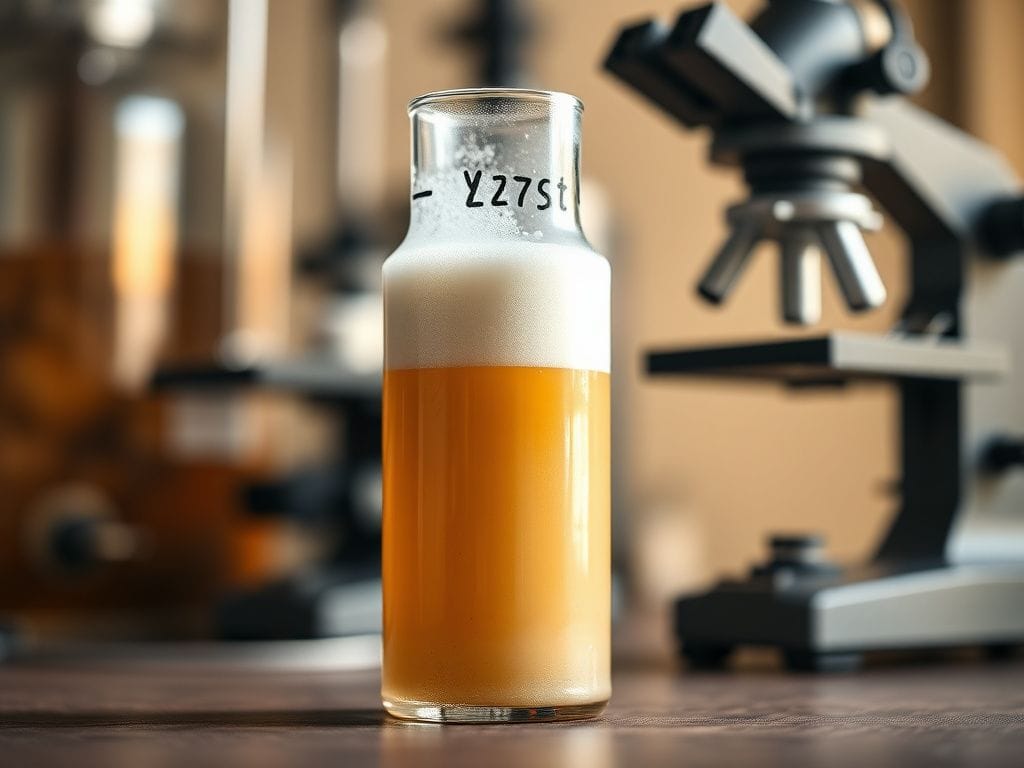
What a coolship is: A coolship (koelschip in Flemish Dutch) is a wide, shallow, open vessel used to cool hot wort while simultaneously exposing it to the ambient air, the combination of cooling and air exposure inoculates the wort with whatever microorganisms are present in the environment. Wild yeasts (Brettanomyces, Saccharomyces), lactic acid bacteria (Pediococcus, Lactobacillus), and acetobacter are the primary organisms that establish in coolship-inoculated wort. The Senne Valley of Belgium (Brussels and surroundings) is the traditional home of spontaneous fermentation, and the specific microorganism communities of that geography are responsible for authentic lambic character. Other regions produce different (and interesting) spontaneous fermentation profiles based on local microflora. What you can realistically expect from home coolship: The honest framing: home coolship fermentation in India produces a wild-fermented sour/funky beer that is influenced by your local environment’s microbiology, not Brettanomyces bruxellensis from Belgium. The result may be excellent, interesting, or undrinkable, and you won’t know for 12–24 months. This is genuinely extreme brewing because you relinquish control over the fermentation agents. For Indian homebrewers: seasonal microorganism community matters. Winter nights (October–February) are ideal for coolship exposure in Bangalore, Pune, and Delhi, ambient temperatures of 12–18°C provide conditions more analogous to the Belgian brewing season (October–March) when lambic production traditionally occurs. Hot Indian summers (35–45°C ambient) will inoculate wort with thermophilic bacteria that produce acetic acid and unwanted off-compounds rather than the complex lactic souring of authentic lambic. The process: Equipment: a wide, shallow vessel. Traditional coolships are 10–30 cm deep and very wide. For home use: a large stainless steel roasting pan or hotel pan (GN1/1 size, 53 × 32 cm, available from catering supply shops for ₹1,500–3,000), a large stainless wok, or a purpose-built shallow trough. The wide surface area is essential, it maximizes air exposure per volume of wort. Wort preparation: the classic lambic grain bill uses approximately 35% unmalted wheat and 65% pale barley malt. Turbid mashing (a specific technique that preserves starches and beta-glucans for Brett and bacteria to break down slowly) is traditional but not required for a home approximation. A simpler approach: pale malt + 30% flaked wheat, mash normally, add aged hops (hops that have lost most alpha acid bitterness but retain preservative properties, this is traditional in lambic to provide some antimicrobial effect without excessive bitterness). Boil normally. Cool in the coolship: pour hot wort into the shallow vessel and place outdoors (or in a well-ventilated area) on a cool night. The wide surface area cools the wort quickly (typically 1–3 hours for a 10L batch in a large shallow pan at 15°C ambient). Allow to sit open overnight (6–10 hours of total air exposure). Transfer to a sealed fermenter in the morning: pour the inoculated wort from the coolship into a sealed fermenter (glass carboy or food-grade plastic bucket). Seal with an airlock. Fermentation begins within 2–4 days. Timeline and flavor development: Months 1–3: Primary fermentation by Saccharomyces species. The beer looks and tastes roughly like a cloudy, sour, rough pale ale at this stage. Not pleasant yet. Months 3–9: Pediococcus takes over, lactic acid production begins. The beer becomes very sour and often develops a thick, ropy texture (a phenomenon called “sick lambic” from beta-glucan gel production). This looks alarming but is normal. Months 9–18: Brettanomyces (if present in your local environment) begins producing complex flavour compounds, barnyard, leather, hay, fruity esters. The ropiness typically resolves as Brett consumes the polysaccharides. Months 18–24+: A complete, complex, sour-funky beer has developed if all went well. If the fermentation was dominated by acetobacter (from too-warm exposure temperatures), you’ll have vinegar. Managing India-specific risks: The monsoon season (June–September): very high humidity and temperatures introduce unfavorable organisms. Do NOT do coolship fermentation during monsoon. Optimal window: November through February. Cleanliness before coolship exposure: the vessel must be thoroughly cleaned (not sanitized, some residual wild yeast is acceptable, but the vessel should not have active contamination from previous batches). Hot weather: even in “cool” India months, afternoon temperatures can be 25–30°C. Expose wort only during the nighttime hours (after 9 PM, before 6 AM).
Common Questions
Will Indian coolship fermentation produce lambic-style beer or something completely different?
Indian coolship fermentation will produce something distinctly different from Belgian lambic, and framing the expectation correctly prevents disappointment. The Belgian Senne Valley lambic character results from a very specific combination of organisms: Brettanomyces bruxellensis (a wild yeast endemic to that geography), specific Pediococcus and Lactobacillus strains adapted to cool, humid Belgian winters, and Enterobacteria that contribute an initial phase of character. None of these specific strains are guaranteed to be present in Indian environments. What Indian coolship fermentation is likely to produce: the organisms present in Indian ambient air (urban and semi-urban environments) include Saccharomyces cerevisiae (ubiquitous globally from bakeries, fermentation, tree bark), Lactobacillus species (present everywhere, produces lactic acid), Acetobacter (produces acetic acid, vinegar, if too much oxygen exposure at wrong temperatures), Aspergillus/Penicillium (mold species that can spoil the batch), and Brettanomyces species (present globally but strain composition varies by geography and environment). The result from a successful Indian coolship is more likely to resemble an American wild ale or a rustic sour farmhouse ale than a Belgian lambic, the sour character (lactic), some Brett funk if Brettanomyces is present, and the grain character of the base wort. This is not inferior to lambic, it’s genuinely different and place-specific. Indian sour wild ales made from local grains (ragi wheat, Indian pale malt, even traditional malted jowar) in Indian microflora conditions represent an authentic expression of Indian terroir in beer that has never been systematically explored. Brewers willing to embrace the uncertainty and 18–24 month timeline are brewing on a genuine frontier.