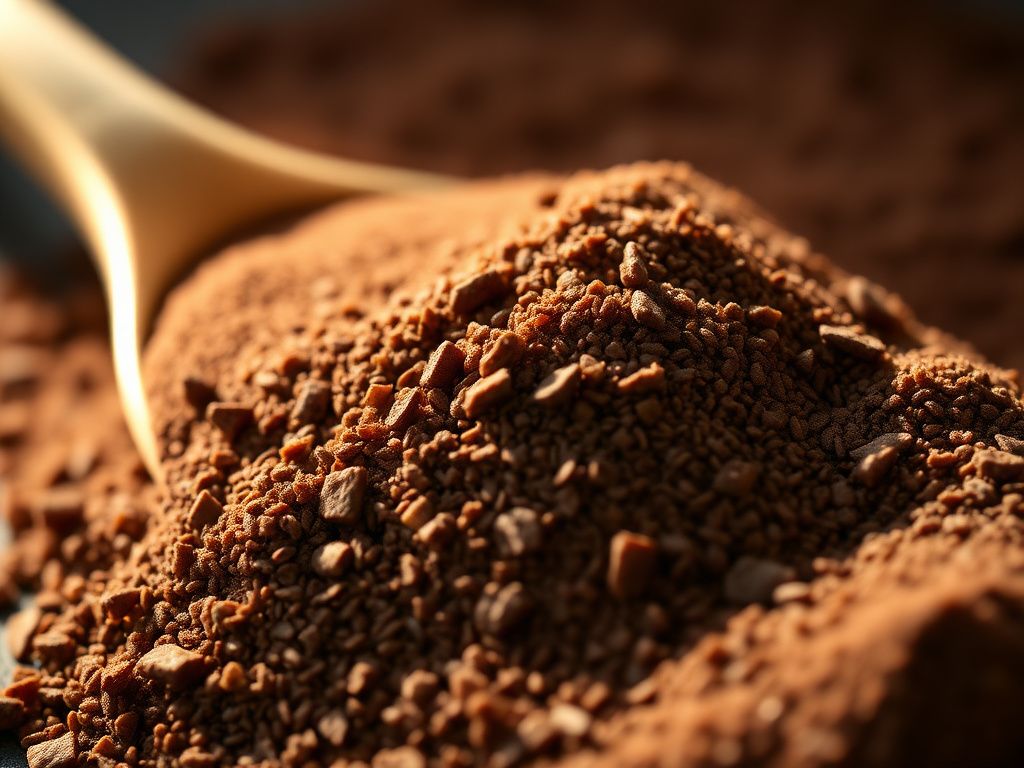
I still remember my first encounter with chocolate malt – it was a rich, velvety stout that left me wondering what sorcery had created such a deep, complex flavor profile. As I delved deeper into the world of homebrewing, I discovered that the culprit behind this magic was none other than chocolate malt, a type of specialty malt that has become a staple in many breweries around the world. In this article, I’ll take you on a journey to explore the origin, flavor profile, and best uses of chocolate malt, as well as provide you with a substitution chart, classic recipes, and answer some frequently asked questions.
Origin and Production
Chocolate malt is produced by malting barley, then roasting it in large rotating drums or batch roasters to bring out the characteristic flavor and color. The barley is first soaked in water to activate enzymes, then allowed to germinate, or sprout, which breaks down the starches into fermentable sugars. After germination, the barley is dried in a kiln to stop the germination process, resulting in malt. To produce chocolate malt, the malt is then roasted at high temperatures, typically between 350°F and 420°F (175°C to 220°C), for a period of 1-2 hours. This roasting process caramelizes the sugars, creating the distinctive flavor and aroma of chocolate malt.
Flavor Profile
The flavor profile of chocolate malt is complex and multifaceted, with notes of dark chocolate, coffee, caramel, and nuts. The intensity of the flavor can vary depending on the level of roasting, with more heavily roasted malts producing a more intense flavor. Chocolate malt can add a deep, rich flavor to beers, as well as a distinctive brown or reddish-brown color. The flavor profile of chocolate malt can be broken down into several key components:
- Color: 350-450 Lovibond
- Diastatic Power: 0-10 Lintner
- Moisture: 4-6%
- Protein: 10-12%
These characteristics make chocolate malt an ideal ingredient for producing a wide range of beer styles, from porters and stouts to brown ales and bocks.
Data and Specifications
Here are some key data points to consider when working with chocolate malt:
| Malt Type | Color (Lovibond) | Diastatic Power (Lintner) | Moisture (%) | Protein (%) |
|---|---|---|---|---|
| Chocolate Malt | 350-450 | 0-10 | 4-6 | 10-12 |
| Brown Malt | 50-70 | 20-30 | 4-6 | 10-12 |
| Crystal Malt | 50-150 | 0-10 | 4-6 | 10-12 |
These values can vary depending on the specific maltster and the level of roasting, so it’s always a good idea to check the specifications for the particular malt you’re using.
Best Uses by Style
Chocolate malt is a versatile ingredient that can be used in a wide range of beer styles. Here are some of the best uses for chocolate malt, organized by style:
- Porters and Stouts: 5-10% of the grist for a deep, rich flavor and color
- Brown Ales: 5-10% of the grist for a nutty, caramel flavor
- Bocks: 5-10% of the grist for a deep, malty flavor
- Amber Ales: 2-5% of the grist for a subtle, caramel flavor
These are just general guidelines, and the best use for chocolate malt will depend on the specific style and flavor profile you’re trying to achieve.
Substitution Chart
If you don’t have chocolate malt on hand, there are several other malts you can use as a substitute. Here’s a substitution chart to help you find a suitable replacement:
| Malt Type | Substitution Ratio | Color (Lovibond) | Flavor Profile |
|---|---|---|---|
| Brown Malt | 1:1 | 50-70 | Nutty, caramel |
| Crystal Malt | 1:1 | 50-150 | Caramel, sweet |
| Black Malt | 0.5:1 | 500-600 | Intensely bitter, dry |
Keep in mind that substituting one malt for another can affect the flavor and color of your beer, so it’s always a good idea to adjust the recipe accordingly.
Classic Recipes
Here are a few classic recipes that showcase the versatility of chocolate malt:
- Imperial Stout: 60% pale malt, 20% chocolate malt, 10% brown malt, 10% wheat malt, hopped with East Kent Goldings and Fuggles
- Brown Ale: 70% pale malt, 15% chocolate malt, 10% crystal malt, 5% wheat malt, hopped with Cascade and Willamette
- Bock: 70% pale malt, 15% chocolate malt, 10% Munich malt, 5% wheat malt, hopped with Hallertau and Tettnang
These recipes are just a starting point, and you can adjust the ingredients and hopping rates to suit your taste preferences.
Common Questions
Here are some common questions about chocolate malt, along with answers to help you get the most out of this versatile ingredient:
- Q: What is the difference between chocolate malt and brown malt?
- A: Chocolate malt is roasted to a higher temperature than brown malt, resulting in a deeper, richer flavor and color.
- Q: Can I use chocolate malt in place of black malt?
- A: While both malts are roasted, chocolate malt has a more complex flavor profile than black malt, which is intensely bitter and dry. Use chocolate malt if you want a deeper, richer flavor, and black malt if you want a more intense, bitter flavor.
- Q: How do I store chocolate malt to preserve its flavor and aroma?
- A: Store chocolate malt in a cool, dry place, away from light and moisture. The malt can be stored for up to 6 months without significant loss of flavor or aroma.
- Q: Can I use chocolate malt in brewing a lager?
- A: Yes, chocolate malt can be used in brewing a lager, but it’s best to use a smaller amount (around 2-5% of the grist) to avoid overpowering the other flavors in the beer.