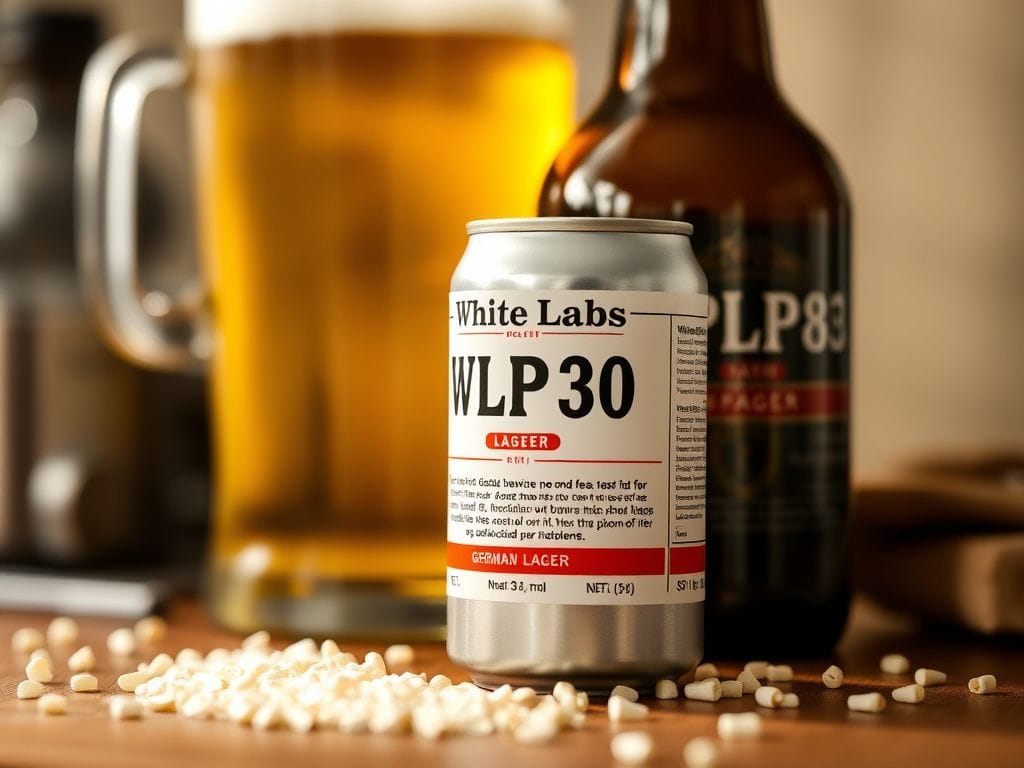
I’ve had the pleasure of working with a variety of yeast strains over the years, but one that never fails to impress me is the White Labs WLP830 German Lager yeast. This versatile and reliable strain has become a staple in my brewery, and for good reason. With its ability to produce clean, crisp lagers with a rich, malty flavor, WLP830 has earned a spot in the hearts of many homebrewers and commercial brewers alike. In this article, I’ll explore the characteristics, brewing parameters, and best uses of White Labs WLP830 German Lager yeast, as well as provide some tips for optimizing fermentation and troubleshooting common issues.
My experience with WLP830 began several years ago, when I first started experimenting with lager brewing. I was immediately struck by the yeast’s ability to produce beers with a rich, complex flavor profile, despite its relatively simple fermentation requirements. Since then, I’ve used WLP830 to brew a wide range of lager styles, from traditional German pilsners to more modern, hop-forward creations. Through it all, the yeast has consistently delivered high-quality results, with a clean, smooth flavor and a crisp, refreshing finish.
Characteristics and Flavor Profile of WLP830 German Lager
So what makes White Labs WLP830 German Lager yeast so special? For starters, the yeast is known for its high degree of attenuation, with a typical range of 75-80%. This means that WLP830 is capable of fermenting a wide range of sugars, resulting in a dry, crisp finish that’s perfect for lager styles. The yeast also produces a relatively low amount of esters and phenolics, which helps to preserve the delicate flavor and aroma of the beer. In terms of flavor profile, WLP830 is characterized by a rich, malty flavor with hints of bread, toast, and caramel. The yeast also produces a subtle fruitiness, with notes of apple and pear, although this can vary depending on the specific brewing conditions.
| Characteristic | Value |
|---|---|
| Attenuation | 75-80% |
| Alpha Acid | 0-5% |
| Beta Glucanase | Low |
| Flocculation | Medium |
| Optimum Temperature | 50-55°F (10-13°C) |
Brewing Parameters and Guidelines for White Labs WLP830
When it comes to brewing with White Labs WLP830 German Lager yeast, there are a few key parameters to keep in mind. First and foremost, the yeast is sensitive to temperature, with an optimum range of 50-55°F (10-13°C). This means that it’s essential to maintain a consistent fermentation temperature, especially during the critical first few days of fermentation. I’ve found that a temperature of 52°F (11°C) works well for most lager styles, although this can vary depending on the specific beer being brewed. In terms of pitching rates, a typical range of 1-2 million cells per milliliter is recommended, although this can vary depending on the specific brewing conditions.
In addition to temperature and pitching rates, it’s also important to consider the yeast’s nutrient requirements. WLP830 is a relatively low-maintenance yeast, but it still requires a balanced diet of nutrients to perform at its best. I’ve found that a standard yeast nutrient blend works well, although some brewers may prefer to use a more specialized lager yeast nutrient. It’s also worth noting that WLP830 is relatively sensitive to oxygen levels, so it’s essential to ensure that the beer is properly aerated during fermentation. A typical aeration rate of 1-2 minutes per 5 gallons (19 liters) is recommended, although this can vary depending on the specific brewing conditions.
Nutrient Requirements for White Labs WLP830
| Nutrient | Recommended Level |
|---|---|
| Yeast Nutrient | 1-2 g/hL |
| Ammonia | 10-20 ppm |
| Zinc | 0.5-1.0 ppm |
| Copper | 0.1-0.5 ppm |
Substitutes for White Labs WLP830 German Lager Yeast in Beer Recipes
While White Labs WLP830 German Lager yeast is a versatile and reliable strain, there may be times when a substitute is needed. Perhaps you’re looking to try a different yeast strain, or maybe you’re unable to get your hands on WLP830. Whatever the reason, there are several yeast strains that can be used as substitutes in beer recipes. Some popular options include Wyeast 2007 (Pilsen Lager), Wyeast 1007 (German Ale), and White Labs WLP800 (Pilsner Lager). It’s worth noting that each of these strains has its own unique characteristics, so some experimentation may be necessary to find the perfect substitute.
| Yeast Strain | Characteristics |
|---|---|
| Wyeast 2007 (Pilsen Lager) | Similar to WLP830, but with a slightly fruitier flavor profile |
| Wyeast 1007 (German Ale) | Ale yeast strain with a similar flavor profile to WLP830, but with a warmer fermentation temperature |
| White Labs WLP800 (Pilsner Lager) | Similar to WLP830, but with a slightly cleaner flavor profile and higher attenuation |
Best Beer Styles and Recipes Using White Labs WLP830 German Lager
So what are some of the best beer styles and recipes to use with White Labs WLP830 German Lager yeast? The answer is simple: any lager style that requires a clean, crisp flavor profile and a rich, malty character. Some popular options include traditional German pilsners, bocks, and Oktoberfest lagers, as well as more modern creations like hop-forward lagers and lager-ale hybrids. Here are three example recipes that showcase the versatility of WLP830:
- Recipe 1: Traditional German Pilsner – 5.5% ABV, 35 IBU, with a grist of 100% Pilsner malt and a hop bill featuring Hallertau and Saaz
- Recipe 2: Hop-Forward Lager – 6.5% ABV, 50 IBU, with a grist of 80% Pilsner malt and 20% wheat malt, and a hop bill featuring Citra and Mosaic
- Recipe 3: Oktoberfest Lager – 5.5% ABV, 25 IBU, with a grist of 100% Munich malt and a hop bill featuring Hallertau and Tettnang
Tips for Optimizing Fermentation with White Labs WLP830 German Lager Yeast
Optimizing fermentation with White Labs WLP830 German Lager yeast requires a combination of proper temperature control, adequate nutrient levels, and careful monitoring of fermentation progress. Here are a few tips to help you get the best out of this versatile yeast strain: First, make sure to maintain a consistent fermentation temperature, ideally between 50-55°F (10-13°C). Second, ensure that the beer is properly aerated, with a typical aeration rate of 1-2 minutes per 5 gallons (19 liters). Third, monitor the fermentation progress closely, taking regular gravity readings and checking for signs of fermentation activity such as bubbles in the airlock or a layer of foam on the surface of the beer.
In addition to these general tips, there are a few specific considerations to keep in mind when working with WLP830. For example, the yeast can be sensitive to oxygen levels, so it’s essential to ensure that the beer is properly aerated during fermentation. The yeast can also be prone to over-attenuation, so it’s essential to monitor the fermentation progress closely and take steps to prevent the yeast from fermenting too aggressively. Finally, WLP830 can be a slow fermenter, especially at cooler temperatures, so be patient and allow the fermentation to run its course.
Common Questions
- Q: What is the optimal fermentation temperature for White Labs WLP830 German Lager yeast? A: The optimal fermentation temperature for WLP830 is between 50-55°F (10-13°C).
- Q: Can I use White Labs WLP830 German Lager yeast for ale styles? A: While WLP830 is primarily designed for lager styles, it can be used for ale styles with a cooler fermentation temperature and a shorter fermentation time.
- Q: How long does it take for White Labs WLP830 German Lager yeast to ferment? A: The fermentation time for WLP830 can vary depending on the specific brewing conditions, but it typically takes 7-14 days to complete fermentation.
- Q: Can I substitute White Labs WLP830 German Lager yeast with other yeast strains? A: Yes, there are several yeast strains that can be used as substitutes for WLP830, including Wyeast 2007 (Pilsen Lager) and White Labs WLP800 (Pilsner Lager).
- Q: What is the typical attenuation range for White Labs WLP830 German Lager yeast? A: The typical attenuation range for WLP830 is 75-80%.