Last updated:
Kokum (Garcinia indica) is a sour fruit from the Konkan coast, Goa, coastal Maharashtra, and coastal Karnataka, that produces a deep crimson color, sharp tartness, and a unique earthy-fruity sourness that has no direct Western brewing equivalent. I’ve brewed kokum sour beers and used kokum as an acidulant in kettle sours, and it performs as both a fruit adjunct and a souring agent in ways that make it one of the most interesting indigenous Indian ingredients for adventurous homebrewers.
Kokum in beer: sourness character and brewing applications
Kokum’s flavor chemistry: Kokum’s sourness comes primarily from hydroxycitric acid (HCA) and citric acid, the HCA content distinguishes kokum from tamarind (which is tartaric and malic acid-forward). The flavor profile is tart, slightly astringent, and deeply fruity with a jammy, dark-berry character from the anthocyanin pigments that give kokum its characteristic deep red-purple color. Kokum is available in Indian markets in several forms: dried whole kokum (the rind), kokum sol (salted dried kokum, avoid for brewing; sodium content is high), kokum agal (concentrated kokum juice, sweet-sour ready-to-drink base), and fresh kokum (seasonal, coastal areas only). For brewing, dried unsalted kokum rind is the most practical and widely available format, available at grocery stores in Maharashtra, Goa, Karnataka, and increasingly at specialty stores pan-India at ₹100–300 per 100g pack. Kokum as a souring adjunct (vs. tamarind): Both kokum and tamarind produce tartness in beer but with meaningfully different flavor profiles. Tamarind: thick, brown, deeply sweet-sour with caramel and date-like undertones; high tartaric acid content produces a smooth, persistent sourness. Kokum: bright, fruity, astringent, and visually striking with dramatic red-purple color; hydroxycitric acid produces a sharper, more acidic sourness that fades faster than tamarind’s lingering tartness. In a kettle sour or quick sour beer, kokum produces a more refreshing, berry-tart character similar to a hibiscus sour (both hibiscus and kokum share anthocyanin color compounds and similar tart-fruity flavor profiles). In a traditional farmhouse ale or spiced beer, kokum’s astringency can read as tannic if over-added, use judiciously. Addition methods and rates: Boil addition: add dried kokum rind in the last 10 minutes of the boil, hot wort extracts the acids and color compounds. 30–60g of dried kokum per 10 liters produces a light tartness and pink color tint. 80–120g per 10 liters produces prominent sourness and vivid red-pink color. Post-boil/secondary addition: add kokum as a dry fruit addition in secondary for 3–5 days, more color retention (boiling degrades some anthocyanins), fresher fruity character. Make a kokum tea first (steep dried kokum in hot water for 20 minutes, strain, add the liquid) to pasteurize before secondary addition. Kettle sour application: In a kettle sour, kokum can replace part or all of the lactic acid acidification, cook a concentrated kokum extract, add to the wort after the kettle sour lacto hold and before the boil, and use it to adjust final pH and add fruit character simultaneously. This produces a naturally soured kokum wheat beer or kokum gose that highlights Indian ingredients authentically. Style recommendations: Kokum witbier, kokum wheat beer, kokum gose (replacing coriander/salt with kokum and Indian sea salt), kokum saison, and kokum-mango sour beer (combining kokum’s tartness with Alphonso or Kesar mango fruit addition in secondary).
Common Questions
Does kokum color survive fermentation in beer?
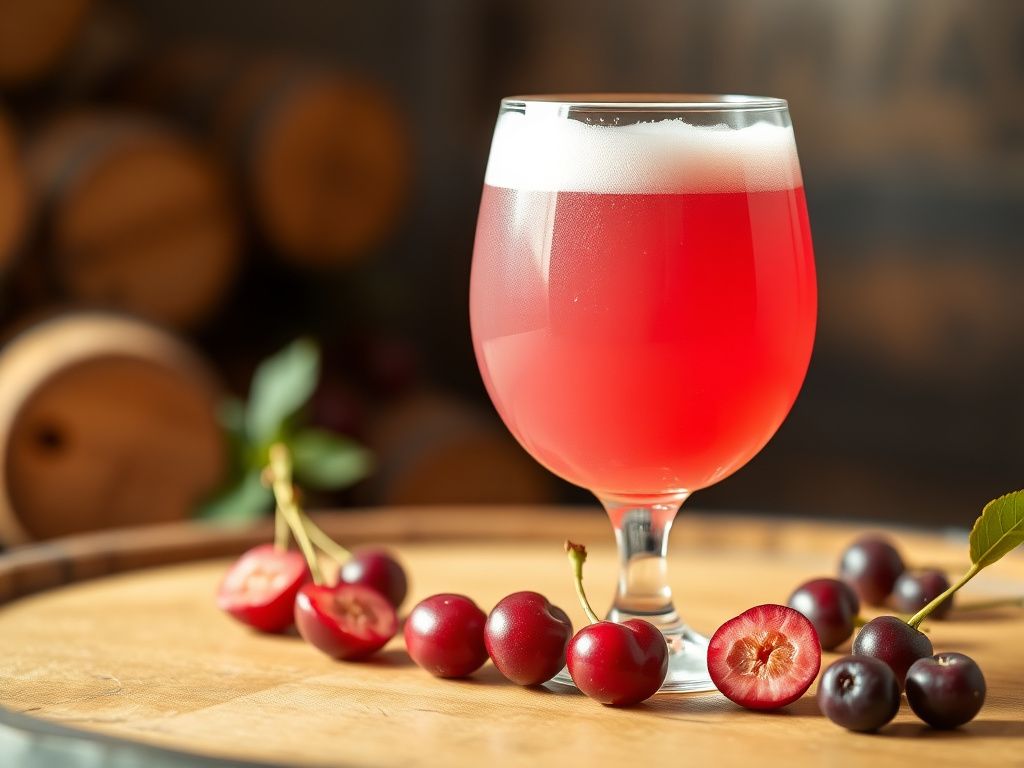
Kokum’s deep red-purple color from anthocyanin pigments is pH-sensitive, the same anthocyanins that make red cabbage turn blue in alkaline conditions and stay red in acid conditions. In beer, which is acidic (pH 3.8–4.5 finished), kokum anthocyanins retain their red-pink hue rather than shifting to blue-purple. The color survives fermentation reasonably well, though with some loss: fermentation CO2 purging removes some color-contributing volatile compounds, yeast settling carries down some pigment adsorbed to cell walls, and the overall color intensity in the finished beer is noticeably less vivid than in the raw kokum extract. A kokum beer that appears bright red-pink in the fermenter will typically finish a lighter rose-pink to red-amber in the glass, with some cloudiness from residual anthocyanin-protein complexes. To maximize color retention: add kokum in secondary rather than the boil (boiling degrades anthocyanins through heat), keep fermentation temperature moderate (below 20°C), and serve the beer young, anthocyanin color fades over weeks as the pigments oxidize and polymerize. Kokum color works best in wheat beer and witbier base styles where the lighter malt color provides a white-to-gold canvas that shows the kokum hue vividly, in dark ales or stouts, the kokum color contribution is invisible against the dark malt background.