Last updated:
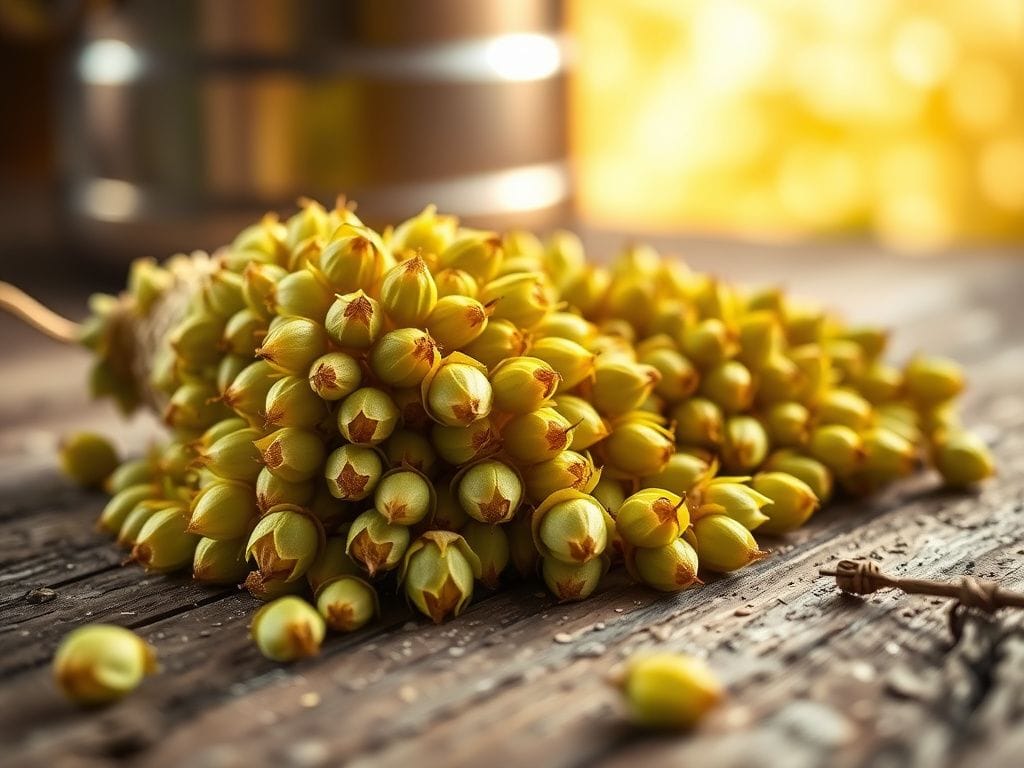
Mandarina Bavaria is the German hop that changed how I think about using continental varieties in modern craft beer. I expected something close to Hallertau when I first brewed with it, but the tangerine character was immediate and unmistakable, more intense and more specifically tangerine than any noble variety I’d used before. It was developed at the Hop Research Center Hüll specifically to bring New World citrus character to German-grown hops, and it delivers exactly that while retaining a mild herbal German background that keeps it from tasting like an American hop. I use it in wheat beers, Kölsch-inspired ales, and modern pale lagers where citrus character from a German variety is the goal.
Mandarina Bavaria hop flavor profile
Mandarina Bavaria hops have a moderate alpha acid content (7–10% AA) with a vibrant tangerine and citrus aroma: tangerine (primary), orange, and a fruity-floral background with a mild herbal base from its German heritage. The tangerine character is more intense than the subtle citrus notes in classic German noble hops, it reads as fresh tangerine peel rather than generic citrus. Used as a late addition and dry hop in wheat beers, pale ales, Kölsch-style ales, and any recipe where citrus-forward hop character is wanted from a German-origin variety.
Best substitutes
Saphir (German, subtle tangerine): Less intense tangerine than Mandarina Bavaria but the same German-citrus direction within the Hallertau family. Use 1:1 and expect softer, more restrained citrus. Amarillo (orange-citrus bridge): Orange, apricot, and citrus, the American hop most similar in the orange-citrus direction. Use 1:1. Eclipse (mandarin citrus): American variety with mandarin orange character similar to Mandarina Bavaria. Use 1:1. Hallertau Blanc (German, wine-citrus): Different citrus direction (more wine-like and lemon) but same German modern breeding family. Use 1:1 in German lager recipes where German origin is important. Motueka (NZ, lime-citrus): Lime and tropical NZ hop, citrus direction shifts from tangerine to lime but similar moderate intensity. Use 1:1.
Mandarina Bavaria in German beer styles
Mandarina Bavaria’s most compelling use is in German styles where traditional noble hop character is updated with modern citrus: Kölsch-style ales (the tangerine brightens the dry, crisp character that defines the style), Helles (where a small Mandarina Bavaria late addition modernizes a classic recipe without dramatically altering it), and Weizen (the tangerine complements wheat yeast banana esters in a way that traditional German hops don’t). For these applications, Saphir is the most authentic substitute that stays within the German Hallertau breeding family; Amarillo is the most accessible American substitute when German-origin character isn’t required.
Common Questions
Can Mandarina Bavaria be used in traditional German lagers?
Mandarina Bavaria can be used in traditional German lagers, but it produces a noticeably more citrus-forward beer than traditional recipes intend. A Helles brewed with Mandarina Bavaria as the primary late hop tastes like a modern craft interpretation of Helles rather than a traditional Munich Helles, the tangerine is prominent where traditional Helles should have restrained herbal-floral noble hop character. Whether this is appropriate depends on the intent: for a strict stylistic recreation or competition entry, traditional German noble hops (Hallertau, Hersbrucker, Tettnang) are more appropriate and defensible. For a craft-forward interpretation of the style, or a recipe that uses “Helles” as a starting point for something more modern: Mandarina Bavaria is an excellent choice that produces a distinctive, enjoyable beer. The BJCP and German brewing traditions are divided on modern hop varieties in classic styles, some commercial German breweries have introduced Mandarina Bavaria into their Helles recipes as a modern offering alongside their traditional lineup, which suggests the variety is compatible with the style context even if not strictly traditional.