Home Beer BrewingHow to Brew Munich Helles Lager: Complete German Brewing Guide

How to Brew Munich Helles Lager: Complete German Brewing Guide

by Olivia Barrelton
14 minutes read

Master how to brew Munich Helles lager with traditional German techniques, proper ingredients, step mashing methods, and precise temperature control for authentic Bavarian brewing excellence.

How to Brew Munich Helles Lager

How to brew Munich Helles lager represents the pinnacle of precision brewing, demanding mastery of traditional German techniques to create the pristine malt character and brilliant clarity that defines Bavaria’s most celebrated everyday drinking beer. After brewing dozens of Munich Helles variations over the past eleven years and studying authentic Bavarian brewing methods, I can confidently state that learning how to brew Munich Helles lager requires understanding the delicate balance between premium German ingredients, meticulous mashing protocols, and precise lager fermentation that creates the golden color, soft malt sweetness, and clean finish that made this style the foundation of Munich’s beer culture.

My journey learning how to brew Munich Helles lager began with disappointing attempts that lacked the distinctive malty elegance and brilliant clarity I experienced in authentic Munich beer halls. The breakthrough came when I discovered that proper German ingredients and traditional step mashing create the essential malt foundation while controlled lager fermentation develops the clean, refreshing character that allows Helles to showcase brewing precision rather than hiding behind bold flavors or excessive complexity.

This comprehensive guide on how to brew Munich Helles lager explores every aspect of authentic German brewing including traditional Bavarian ingredients, step mashing techniques, precise fermentation management, and extended lagering protocols that produce the golden clarity, malty sweetness, and exceptional drinkability characteristic of the finest Munich breweries. From understanding the style’s origins to mastering modern temperature control, this guide provides complete knowledge for creating exceptional Helles lagers that honor Bavarian brewing heritage.

Whether you’re advancing into precision lager brewing or exploring German beer styles, mastering how to brew Munich Helles lager provides essential skills while creating one of the world’s most technically demanding yet rewarding beer styles that demonstrates brewing excellence through simplicity and perfection rather than complexity or novelty.

Understanding Traditional Munich Helles Characteristics

Authentic Munich Helles displays brilliant golden coloration with pristine clarity ranging from 1.044-1.053 original gravity while achieving 4.7-5.4% alcohol content through premium German malts balanced by gentle noble hops that create the soft malt sweetness and clean finish defining true Bavarian lager brewing excellence.

Color and Visual Perfection
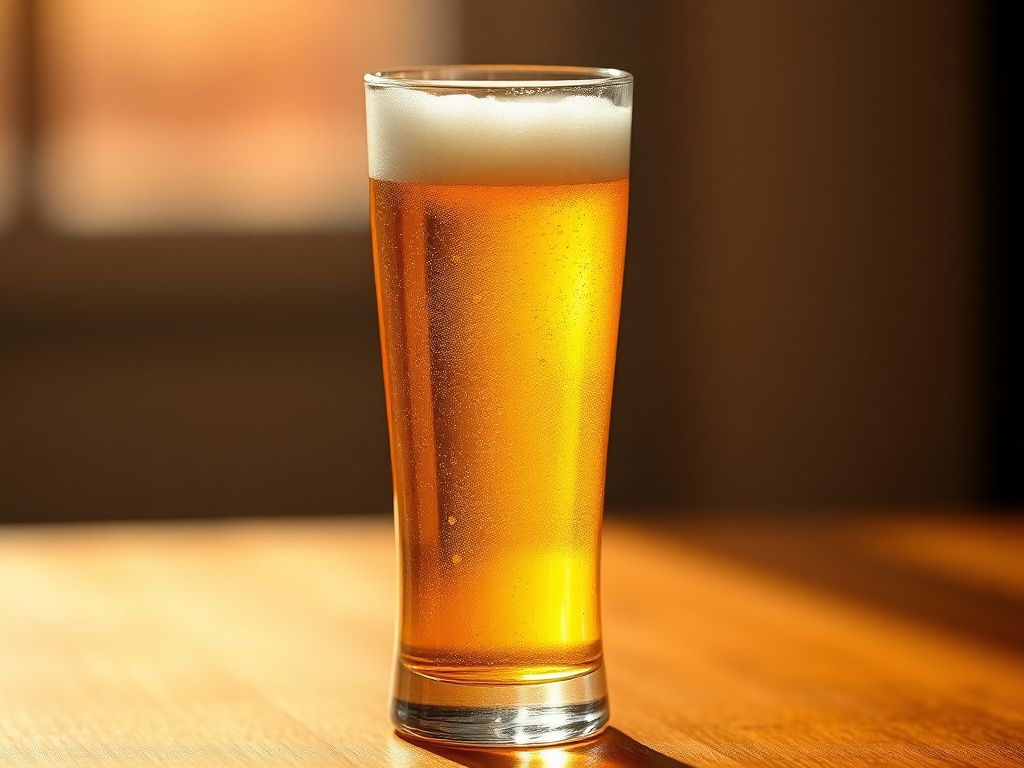
Traditional Munich Helles exhibits pale gold to light amber hues ranging from 3-5 SRM with absolute brilliance and persistent white foam that reflects premium German ingredients and extended cold conditioning essential for authentic Bavarian presentation.

Malt Character Dominance
Soft, bread-like malt sweetness provides the signature Helles foundation with subtle honey and grain notes while avoiding excessive richness or cloying character through careful mashing and fermentation management.

Noble Hop Restraint
Gentle German noble hops provide 16-22 IBU of clean bitterness with subtle spicy and floral qualities while maintaining perfect balance that allows malt character complete dominance throughout the drinking experience.

Clean Lager Profile
Exceptional purity defines authentic Munich Helles with no esters, phenols, or off-flavors while showcasing brewing precision through clean fermentation and extended cold conditioning that eliminates any flaws or rough edges.

Refreshing Drinkability
Perfect balance creates exceptional sessionability with moderate strength and smooth character while providing satisfying malt interest that encourages continued consumption without palate fatigue or overwhelming intensity.

For comprehensive Munich Helles brewing techniques and traditional German methods, explore the authentic Bavarian brewing resources at BrewMyBeer’s German lager section, where traditional Munich brewing wisdom meets modern homebrewing precision.

Essential German Ingredients and Quality

Authentic Munich Helles demands premium German ingredients including quality Bavarian malts, traditional noble hops, and proper German lager yeast strains that create the distinctive character impossible to replicate with substitute ingredients or shortcuts.

German Pilsner Malt Foundation
Premium German Pilsner malt comprises 80-95% of grain bill providing essential pale color and clean grain character while contributing subtle sweetness and proper enzyme activity through superior continental malting processes.

Munich Malt Character Enhancement
Light Munich malt adds 5-15% malty depth and color while providing the distinctive bread-like character and enhanced body that separates authentic Helles from generic pale lagers through traditional Bavarian malting.

Vienna Malt Complexity
Small Vienna malt additions provide subtle toasted notes in 5-10% proportions while enhancing color and creating smooth malt complexity that adds interest without overwhelming clean Pilsner foundations.

German Noble Hops Selection
Traditional varieties including Hallertau, Tettnanger, and Spalt provide authentic German character with subtle spiciness and clean bitterness while maintaining the restraint essential for malt-forward balance.

ALSO READ  Mosaic Hop Substitute Blueberry & Tropical Alternatives

Bavarian Lager Yeast Strains
Authentic German lager yeast including Wyeast 2308 Munich Lager and White Labs WLP838 produce clean fermentation character while maintaining proper attenuation and traditional Bavarian development patterns.

Water Chemistry Considerations
Munich brewing water features moderate hardness and alkalinity that supports proper malt extraction while creating the smooth mouthfeel and balanced mineral profile essential for authentic Helles character.

Ingredient ComponentPercentage RangeCharacter ContributionQuality StandardsTraditional Importance
German Pilsner Malt80-95%Clean grain foundationPremium continentalCritical
Munich Malt5-15%Malty depth and colorBavarian qualityEssential
Vienna Malt5-10%Toasted complexityTraditional kilningEnhancement
German Noble Hops16-22 IBUSubtle spicy characterAuthentic varietiesTraditional
Bavarian YeastStandard pitchClean fermentationGerman strainsEssential

How to Brew Munich Helles Lager Complete Munich Helles Recipe

This authentic Munich Helles recipe produces 5 gallons of traditional Bavarian lager with proper malt character, noble hop balance, and classic German lager profile through premium ingredients and proven brewing techniques.

All-Grain Recipe Specifications
Target parameters include 1.050 original gravity, 1.010 final gravity, 17 IBU, 4.6 SRM, and 4.9% ABV while creating authentic Munich Helles character through proper ingredient ratios and traditional German brewing methods.

Traditional Grain Bill Composition
Premium grain bill includes 8 lbs German Pilsner malt, 1 lb Munich malt, and 4 oz Melanoidin malt while providing proper pale foundation, malty character, and subtle complexity essential for authentic Bavarian style.

German Noble Hop Schedule
Single hop addition includes 1.25 oz Hallertauer Mittelfrueh at 60 minutes providing clean bitterness and subtle German character while maintaining perfect malt-hop balance throughout the flavor profile.

Bavarian Yeast Selection
Recommended yeast strains include White Labs WLP860 Munich Helles Lager with proper starter preparation while ensuring adequate cell count and authentic German lager character development.

Extract Version Adaptation
Extract brewers substitute 6.9 lbs Pilsner liquid malt extract while maintaining character through fresh extract selection and proper technique that preserves traditional German brewing principles.

Traditional German Step Mashing

Authentic Munich Helles employs traditional German step mashing that optimizes malt extraction while developing proper body and mouthfeel through systematic temperature progression and enzyme management.

Initial Protein Rest
Begin with protein rest at 122°F for 20 minutes while promoting protein breakdown and improved head retention essential for traditional German lager presentation and quality.

Beta Amylase Activation
First saccharification rest at 147°F for 30 minutes while promoting beta amylase activity that creates highly fermentable sugars and contributes to clean, dry finish.

Alpha Amylase Conversion
Second saccharification rest at 156°F for 30 minutes while ensuring complete starch conversion and developing proper body through alpha amylase activity and dextrin formation.

Mash-Out Temperature
Final temperature rise to 168°F stops enzymatic activity while improving lautering efficiency and ensuring complete conversion through systematic temperature management and proper enzyme deactivation.

Single Infusion Alternative
Simplified single infusion at 150°F provides acceptable results for homebrewers while maintaining basic Munich Helles character through proper temperature control and conversion timing.

Extended Boiling and German Techniques

Traditional Munich Helles requires extended 90-minute boiling that reduces DMS precursors while developing proper color and ensuring hop utilization through traditional German brewing protocols.

DMS Reduction Protocol
Ninety-minute boils eliminate dimethyl sulfide precursors from lightly kilned Pilsner malt while preventing corn-like off-flavors that would compromise clean lager character and authentic German quality standards.

Conservative Hop Utilization
Single bittering addition maintains malt focus while providing clean bitterness without flavor competition that might interfere with delicate malt appreciation and traditional balance.

Kettle Finings Addition
Irish moss or whirlfloc tablets improve clarity while supporting extended lager conditioning and final presentation through proper protein coagulation and removal.

First Wort Hopping Option
Optional first wort hopping creates smoother bitterness while enhancing hop integration through extended wort contact that develops traditional German character and refinement.

Boil Vigor Management
Controlled rolling boil ensures proper evaporation while preventing excessive caramelization or harsh compound development that might interfere with clean, pale character essential for authentic Helles.

Precision Lager Fermentation

Munich Helles fermentation requires exceptional temperature control and systematic yeast management while developing clean character through traditional German lager techniques and careful environmental management.

Primary Fermentation Temperature
Begin fermentation at 48-50°F with adequate yeast population while promoting controlled yeast activity that produces clean character without excessive ester formation or fermentation stress.

Yeast Pitching Requirements
Use large yeast starters or multiple packages achieving approximately 340 billion cells while ensuring healthy fermentation that prevents stuck fermentation and off-flavor development.

ALSO READ  Summer Brewing in India: Swamp Cooler Guides

Fermentation Duration Management
Allow 14-21 days primary fermentation while monitoring gravity changes and ensuring complete yeast activity before proceeding to diacetyl rest and temperature reduction phases.

Diacetyl Rest Protocol
Raise temperature to 60-65°F during final days while allowing yeast to process diacetyl precursors that could create buttery off-flavors inappropriate for clean German lager character.

Temperature Reduction Schedule
Gradually drop temperature to 35-40°F while preventing thermal shock and promoting natural sedimentation that improves clarity through systematic cooling protocols.

Extended Lagering and Conditioning

Traditional Munich Helles conditioning develops exceptional smoothness through extended cold storage that allows flavor integration and achieves the brilliant clarity defining premium German lager quality standards.

Minimum Lagering Duration
Condition for minimum 4-8 weeks at 32-35°F while allowing proper flavor development and clarity achievement that creates the smooth character and visual perfection essential for authentic Helles.

Clarity Development Process
Extended cold storage achieves pristine clarity through natural protein precipitation and yeast sedimentation while eliminating need for filtration that might compromise flavor integrity or mouthfeel quality.

Flavor Integration Benefits
Long conditioning periods allow subtle flavors to harmonize while developing the seamless integration between malt sweetness and hop bitterness that defines exceptional Munich Helles quality and refinement.

Temperature Consistency Requirements
Maintain stable lagering temperature throughout conditioning while avoiding fluctuations that could disturb sedimentation or interfere with proper flavor development and clarity achievement.

Packaging Preparation
Transfer directly from cold storage to maintain clarity while preventing temperature shock that could create haze or disturb the brilliant appearance essential for authentic German lager presentation.

Water Chemistry and Treatment

Proper water chemistry enhances Munich Helles character while supporting German malt extraction and creating the soft mouthfeel through balanced mineral profiles that complement traditional Bavarian brewing methods.

Munich Water Profile Emulation
Traditional Munich water features moderate mineral content with balanced calcium and carbonate levels while supporting proper malt extraction and creating smooth, rounded mouthfeel characteristic of authentic Bavarian lagers.

Calcium Level Optimization
Target calcium levels around 50-100 ppm while supporting yeast health and enzyme activity without excessive mineral character that might create harsh or unbalanced flavor profiles.

pH Management
Maintain mash pH around 5.4-5.6 while ensuring proper enzyme activity and malt extraction through systematic pH monitoring and appropriate adjustment procedures when necessary.

Chloride-Sulfate Balance
Higher chloride-to-sulfate ratios enhance malt character while creating the soft, rounded mouthfeel that supports Munich Helles presentation and traditional Bavarian brewing character.

Carbonate Content
Moderate alkalinity supports light-colored malt extraction while preventing excessive acidity that might interfere with smooth character or create harsh flavors inappropriate for delicate Helles balance.

Troubleshooting Common Munich Helles Issues

Munich Helles brewing challenges require systematic solutions while addressing problems including poor clarity, insufficient malt character, harsh bitterness, and fermentation difficulties that affect authenticity and quality.

Clarity Problems
Haze issues indicate inadequate conditioning or protein problems requiring extended cold storage and proper fining techniques while ensuring adequate protein rest during mashing and complete fermentation.

Insufficient Malt Character
Weak malt presence suggests inadequate Munich malt percentage or poor malt quality requiring increased specialty malt proportions and premium German ingredient selection.

Harsh Hop Character
Excessive bitterness indicates hop-malt imbalance requiring reduced hop quantities while maintaining German noble varieties that provide appropriate character without overwhelming delicate balance.

Fermentation Issues
Stuck fermentation or off-flavors indicate temperature problems requiring proper yeast health and systematic temperature management while ensuring adequate oxygenation and nutrition.

DMS Off-Flavors
Corn-like aromas suggest insufficient boiling duration requiring extended 90-minute boils with adequate vigor while using proper kettle design and ventilation to eliminate precursor compounds.

Advanced German Brewing Techniques

Professional Munich Helles techniques enhance authenticity while traditional methods including decoction mashing and specialized lagering develop superior character that separates exceptional examples from basic interpretations.

Traditional Decoction Mashing
Classic decoction enhances Maillard development while creating deeper malt complexity and improved color through thermal processing that honors historical German brewing methods.

Hochkurz Fermentation
Traditional high-krausen skimming removes harsh compounds while improving final beer character through systematic yeast management and traditional German brewery practices.

Spunding Pressure Fermentation
Natural carbonation through spunding valves creates superior CO2 integration while developing smooth mouthfeel and enhanced aromatics through traditional German conditioning methods.

Extended Maturation Protocols
Traditional Bavarian lagering extends 8-12 weeks while developing exceptional smoothness and integration that separates commercial-quality examples from rushed homebrewing attempts.

ALSO READ  Smirnoff Alcohol Percentage The 1 Vodka's ABV

Quality Control Standards
Systematic testing and evaluation ensure consistency while maintaining traditional German brewing standards that create the reliability and excellence defining authentic Munich Helles production.

Recipe Variations and Regional Styles

Munich Helles variations explore traditional interpretations while maintaining core characteristics through ingredient adjustment and brewing technique modification that honors Bavarian brewing heritage.

Export Helles Strength
Higher gravity versions increase alcohol and body while maintaining traditional character through proportional scaling and enhanced malt complexity that preserves authentic German balance.

Weissbier Helles Interpretation
Light wheat additions create smooth texture while maintaining traditional character through careful integration that enhances rather than overwhelms classic Pilsner foundations.

Organic Helles Production
Organic German ingredients maintain authenticity while supporting sustainable brewing practices that preserve traditional character through premium ingredient selection and ethical sourcing.

Modern Hop Interpretations
Subtle modern German hop varieties provide evolution while maintaining traditional restraint and allowing experimentation within established style boundaries and authentic character requirements.

Seasonal Brewing Considerations
Cool weather brewing supports proper lager development while extended conditioning periods align with traditional German brewery schedules and optimal quality development.

Serving and Bavarian Beer Culture

Munich Helles serves as Bavaria’s quintessential daily drinking beer while proper presentation and service enhance appreciation of this foundational German lager style and cultural institution.

Traditional Bavarian Service
Serve at 46-50°F in proper German glassware while using Maß glasses or traditional steins that showcase clarity and support proper foam development through appropriate vessel selection and temperature control.

Beer Garden Culture Integration
Perfect for outdoor consumption and social drinking while the moderate strength and exceptional drinkability accommodate extended sessions and traditional Bavarian social customs.

Food Pairing Excellence
Complements traditional Bavarian cuisine including sausages and pretzels while the clean character provides refreshing contrast to rich foods without overwhelming delicate flavors.

Carbonation Level Optimization
Moderate carbonation around 2.5 volumes enhances mouthfeel while providing sufficient effervescence to support aromatics without harsh CO2 bite that might interfere with smooth drinking experience.

Daily Consumption Suitability
Designed for regular consumption without palate fatigue while the balanced character and moderate alcohol content make Helles ideal for frequent enjoyment and social situations.

Conclusion and Brewing Excellence

Mastering how to brew Munich Helles lager requires dedication to German brewing traditions while systematic ingredient selection, precise technique execution, and extended conditioning create exceptional examples that honor Bavarian brewing excellence.

Begin with premium German ingredients and traditional techniques while understanding that Munich Helles success depends on quality rather than complexity, demanding perfect execution of simple processes rather than creative innovation or bold flavors.

Master temperature control and extended lagering protocols while appreciating the patience and precision required for exceptional lager production that allows subtle malt character complete expression without interference.

Practice systematic brewing and honest evaluation while maintaining respect for Bavarian traditions that created this foundational style through centuries of refinement and cultural integration in German beer heritage.

Remember that Munich Helles represents brewing precision over innovation while creating timeless beers that demonstrate technical excellence through simplicity rather than complexity, showcasing ingredient quality and process mastery.

The investment in understanding German lager techniques provides lasting brewing education while creating exceptional beers that honor one of Bavaria’s most important cultural contributions to world brewing heritage and daily life.

Choose authentic approaches and premium ingredients while appreciating the cultural significance and technical mastery that makes Munich Helles both challenging to brew and rewarding to perfect through traditional methods.


About the Author

Olivia Barrelton combines her background in wood sciences with over 14 years of brewing experience to specialize in traditional European beer styles and aging techniques. While her expertise centers on barrel aging and wood-infused beers, her comprehensive understanding of traditional European brewing methods makes her particularly knowledgeable about styles like Munich Helles that require precision and patience. Olivia has studied extensively at German brewing institutes and traditional Bavarian breweries, learning the systematic approaches that create exceptional lager quality. Her scientific background helps her understand the complex chemistry behind clarity development and extended conditioning that defines premium German lagers.

Olivia maintains detailed brewing logs documenting traditional German techniques and has successfully created award-winning examples of classic European styles using both traditional and modern methods. Her systematic approach to precision brewing helps brewers understand the discipline and attention to detail required for styles like Munich Helles that showcase brewing skill rather than ingredient creativity. When not perfecting traditional German brewing techniques or developing barrel aging protocols, Olivia enjoys exploring how historical European brewing methods can inform modern quality standards while preserving the authenticity and craftsmanship that defines exceptional beer styles. Contact Olivia at [email protected] or explore her comprehensive brewing guides and traditional technique resources at brewmybeer.online.

You may also like

Leave a Comment

Welcome! This site contains content about fermentation, homebrewing and craft beer. Please confirm that you are 18 years of age or older to continue.
Sorry, you must be 18 or older to access this website.
I am 18 or Older I am Under 18

Adblock Detected

Please support us by disabling your AdBlocker extension from your browsers for our website.